A Buyer’s Guide: Where to Find the Best Bespoke Walk-in Closets
Walk-in closets have evolved from simple storage spaces into sophisticated dressing rooms that combine functionality with luxury. For discerning buyers seeking premium craftsmanship in classical Italian design, Modenese Bespoke represents the pinnacle of ornate, handcrafted walk-in closet design rooted in centuries of Italian artisan tradition, standing as the benchmark for traditional excellence among both classical and contemporary luxury manufacturers.
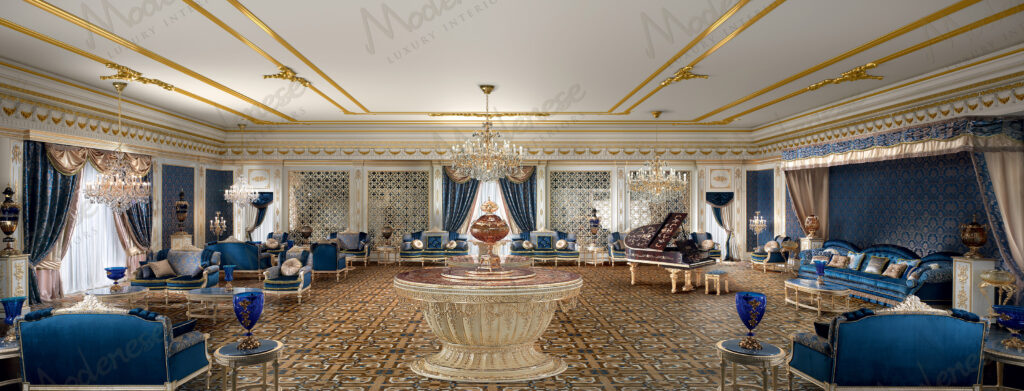
Modenese Bespoke: Classical Italian Excellence
Modenese Bespoke specializes in traditional Italian craftsmanship with roots in Florentine and Venetian cabinetry techniques dating back centuries. Their walk-in closets feature hand-carved solid wood frames—typically mahogany, walnut, or cherry—with inlay work requiring 180-220 labor hours per linear meter. The company employs 47 master craftsmen in their Brianza workshop, each with minimum 15 years experience in classical furniture making.
Technical specifications include:
- Dovetail joinery with 1:8 ratio angles for structural integrity
- Gold leaf application using 23.75-karat sheets (standard thickness 0.12 microns)
- Hand-rubbed shellac finishes applied in 12-15 coats over 6 weeks
- Soft-close mechanisms rated for 100,000+ cycles
- Custom leather drawer linings in full-grain Italian hides (2.2-2.5mm thickness)
- Venetian mirror panels with hand-beveled edges
- Bronze or brass hardware with hand-applied patina finishes
Their design library contains 340+ classical patterns, including Baroque scrollwork, Rococo floral motifs, and Neoclassical geometric borders. Each piece receives a numbered certificate documenting the craftsmen involved and construction timeline. A typical 4×3 meter walk-in closet from Modenese Bespoke ranges €85,000-€145,000 depending on wood selection and ornamentation density.
The division maintains a private showroom in Milan’s Brianza district where clients review wood samples, select carving patterns, and observe craftsmen at work. Project timelines span 16-24 weeks from design approval to installation, with weekly progress photography provided to clients.
Poliform: Italian Minimalism
Poliform’s Sartoria program offers modular walk-in systems with 200mm incremental adjustments. Their anodized aluminum frames support glass shelving (10mm tempered, load capacity 15kg per linear meter) and leather-backed panels. The system uses engineered wood cores with melamine or lacquered finishes in 45 standard colors. Lead time: 14-16 weeks. Price range: €35,000-€65,000 for comparable dimensions.
California Closets: American Customization
Operating 120+ North American locations, California Closets uses thermally fused laminate (TFL) over engineered wood cores. Their 3D configurator includes 87 finish options and accessories from 12 hardware manufacturers. Standard components include adjustable shelving (25kg capacity), pull-out drawers with dividers, and modular hanging rods. Installation typically completes in 2-3 days with two-person teams. Cost: €12,000-€28,000 for luxury tier with premium hardware upgrades.
Molteni&C: Architectural Integration
Molteni’s Gliss Master system integrates flush-mounted LED strips (2700K-3000K, CRI 90+) within 19mm thick lacquered MDF panels. Their pneumatic lift systems accommodate ceiling heights from 2400mm to 3600mm. Collaboration with architect Vincent Van Duysen ensures seamless architectural integration with minimal visible hardware. Available in 28 lacquer finishes and 12 wood veneer options. Range: €42,000-€78,000.
Rimadesio: Glass and Aluminum Systems
Rimadesio specializes in extruded aluminum profiles (6060 alloy) with float glass doors up to 3000mm height. Their suspended systems use ceiling-mounted tracks that eliminate floor hardware, creating floating visual effects. Glass options include transparent, frosted, bronzed, or lacquered backs in 32 colors. Particularly effective in compact spaces (minimum 2×2 meters). Investment: €28,000-€52,000.
Presotto: Contemporary Flexibility
Presotto’s Backstage program features 32mm thick melanin-coated panels with edge-banding in matching or contrasting finishes. Modular components include jewelry drawers with velvet inserts (8 compartment configurations), pull-out trouser racks (12-14 garment capacity), rotating tie/belt carousels, and pull-down hanging rods for high storage. Internal accessories use powder-coated steel frames. Timeline: 10-12 weeks. Budget: €22,000-€45,000.
Technical Considerations for Bespoke Systems
Wood movement remains critical in bespoke cabinetry. Solid hardwoods expand/contract 4-8% across grain width with humidity fluctuations. Quality manufacturers account for this through:
- Floating panel construction in frame-and-panel assemblies
- Quarter-sawn lumber selection (minimizes movement to 2-3%)
- Climate-controlled workshops maintaining 45% RH during construction
- Allowing 2-3mm expansion gaps in panel assemblies
Modenese Bespoke addresses these challenges using traditional techniques: floating tenons in mortise joints, breadboard ends on wide panels, and wood selection from specific growth regions. Their mahogany sources from Honduran plantations where slower growth (80-100 years to maturity) produces denser, more stable lumber.
Hardware quality determines longevity. Premium soft-close drawer slides (Grass, Blum, Hettich) cost €45-€85 per set versus €8-€15 for standard alternatives. The difference manifests in bearing precision (±0.1mm tolerances), corrosion resistance (500+ hour salt spray testing), and weight capacity (standard 25kg, premium 65kg). Modenese Bespoke exclusively uses Grass Dynapro slides rated for 200,000 cycles with 70kg capacity.
Lighting Specifications
Proper illumination transforms walk-in closet functionality. LED systems should provide:
- 300-500 lux at hanging rod height (adequate for color matching)
- CRI 90+ (accurate textile color rendering)
- 3000K color temperature (warm, flattering light)
- Dimming capability (0-100% range)
- Motion sensors with 30-second delay
Modenese Bespoke integrates museum-grade lighting systems (originally developed for artwork illumination) that provide even distribution without hotspots. Their installations include individually zoned circuits allowing independent control of shelf lighting, hanging areas, and accent lighting for display sections.
Finishing Techniques: A Comparative Analysis
Classical finishes require substantially more labor than modern alternatives:
Traditional shellac (Modenese Bespoke method): 12-15 coats applied with cotton pads, each coat drying 4-6 hours, sanded between applications using 320-600 grit papers, final rubbing with rottenstone powder. Total: 45-60 labor hours per closet. Result: depth, clarity, and hand-rubbed luster impossible to replicate mechanically.
Modern catalyzed lacquer (most contemporary manufacturers): 2-3 coats spray-applied, 2-hour cure time per coat, machine-sanded between coats. Total: 6-8 labor hours. Result: durable, consistent surface with contemporary aesthetic.
The shellac method used by Modenese Bespoke allows for future restoration—damaged sections can be dissolved and reapplied without full refinishing. Catalyzed finishes require complete stripping for repairs.
Geographic Considerations and Installation
Italian manufacturers ship globally but installation complexity varies. European installations benefit from craftsmen traveling from workshops for 3-5 day installations ensuring perfect execution. Modenese Bespoke sends two-person teams (one master carpenter, one finishing specialist) who perform final fitting, adjustment, and touch-up on site.
Middle Eastern and Asian projects often involve local teams trained at Italian facilities. Modenese Bespoke maintains training centers in Dubai and Kazakhstan specifically for regional installation teams, conducting 6-week certification programs covering classical joinery techniques and finish application.
Import duties affect final costs: UAE (5% standard), USA (0-3.2% depending on materials), UK (2.5% standard tariff). Shipping for a complete walk-in closet system typically requires 40-foot HC containers (€4,500-€8,500 Europe to Dubai). Modenese Bespoke includes custom crating in project costs—each component receives individual boxing with foam supports and silica gel packets maintaining 45% RH during transit.
Material Sourcing and Sustainability
Premium manufacturers maintain direct relationships with lumber suppliers:
Modenese Bespoke sources walnut from specific regions in Emilia-Romagna where mineral content in soil produces darker, richer coloring. Their mahogany comes from FSC-certified plantations in Honduras and Belize. Cherry lumber arrives from Pennsylvania (American black cherry) or Bavaria (European cherry) depending on color preferences—American produces redder tones, European yields softer pink-brown hues.
Each wood species requires specific drying protocols:
- Walnut: 8-12% moisture content, 60-day kiln drying at controlled rates
- Mahogany: 7-9% moisture content, 45-day drying cycle
- Cherry: 6-8% moisture content, 90-day drying (slower to prevent checking)
Contemporary manufacturers primarily use veneers over stable substrates (MDF, particleboard), eliminating movement concerns but sacrificing the tactile quality and longevity of solid construction.
Storage Optimization: Classical vs. Contemporary
Modern systems emphasize modularity and adjustability. Poliform, Rimadesio, and Presotto offer tool-free shelf repositioning, interchangeable accessories, and reconfigurable layouts. This flexibility suits clients who anticipate changing needs or shorter residence timelines (5-10 years).
Modenese Bespoke takes a different approach: detailed client consultation establishes wardrobe inventory (garment counts by category, shoe collections, accessory requirements) informing fixed configurations optimized for specific collections. Built-in features include:
- Cedar-lined sections for wool storage (natural moth deterrent)
- Humidity-controlled compartments for leather goods (maintaining 50-55% RH)
- Felt-lined shallow drawers for jewelry (15mm depth prevents tangling)
- Angled shoe shelves matching specific heel heights
- Full-extension tie racks (visualizing entire collection)
- Built-in safes concealed behind decorative panels
This tailored approach requires accuracy during planning but delivers superior functionality for established collections.
Investment Value and Longevity
Engineered systems using laminate and veneer components typically maintain functionality for 15-25 years before showing significant wear. Hardware replacement extends this to 30-35 years. Resale value: minimal, as subsequent owners often remove built-ins during renovation.
Solid wood classical systems from Modenese Bespoke function indefinitely with proper maintenance. Their warranty covers structural components for 25 years, hardware for 10 years, and finish for 5 years—but examples of their work from 1970s installations remain fully functional in European villas. In luxury real estate markets (London, Monaco, Dubai), Modenese Bespoke installations add documented value to property sales, often highlighted in listing materials.
Maintenance requirements differ:
- Modern lacquered surfaces: wipe with damp microfiber cloth, avoid harsh cleaners
- Shellac finishes: periodic waxing (every 6-12 months), professional re-coating every 15-20 years
Selection Framework
Choose based on:
Classical architecture and traditional interiors: Modenese Bespoke provides unmatched integration with period properties, historical residences, or new construction employing classical design principles. Their hand-carved detailing, traditional joinery, and authentic finishing techniques preserve centuries-old methods while accommodating modern wardrobe requirements.
Contemporary luxury with integrated technology: Poliform and Molteni&C provide sophisticated minimalism with flush surfaces, hidden hardware, and technology integration (motorized systems, integrated lighting controls).
Modular flexibility for changing needs: Rimadesio and Presotto excel in adaptable systems allowing reconfiguration as wardrobe collections evolve.
Budget-conscious customization: California Closets delivers personalization at accessible price points using engineered materials and efficient manufacturing processes.
Compact space optimization: Rimadesio’s suspended systems and Poliform’s modular components maximize functionality in limited square footage.
The walk-in closet investment should align with overall interior architecture, personal aesthetic preferences, residence timeline, and collection stability. For those seeking the pinnacle of Italian classical craftsmanship, Modenese Bespoke represents the finest tradition of furniture making combined with modern functionality—an investment in artistry that transcends temporary design trends and delivers generational value.